Services
Commercial cleaning and full-service facility maintenance
Five services, one accountable partner. Every program is scoped to a written specification and delivered by insured, vetted crews.
What we do
One relationship, one invoice, every service
From recurring janitorial to grounds, seasonal work, and light repairs, Wexley is a single point of contact for your whole facility.
Commercial janitorial
Recurring janitorial scoped to your building, documented and held to a written specification.
- Restroom sanitation
- Common areas and lobbies
- Floors and vacuuming
Floor care
Strip, wax, buff, burnish, and extraction cycles matched to each floor type and traffic load.
- Strip and wax
- Buffing and burnishing
- Carpet extraction
Grounds and exterior
Curb appeal and exterior safety handled on a schedule, from grounds to parking lots to snow response.
- Landscaping and grounds
- Parking lot maintenance
- Pressure washing
Specialty and seasonal
Higher-skill and periodic work delivered by specialized, insured crews when you need it.
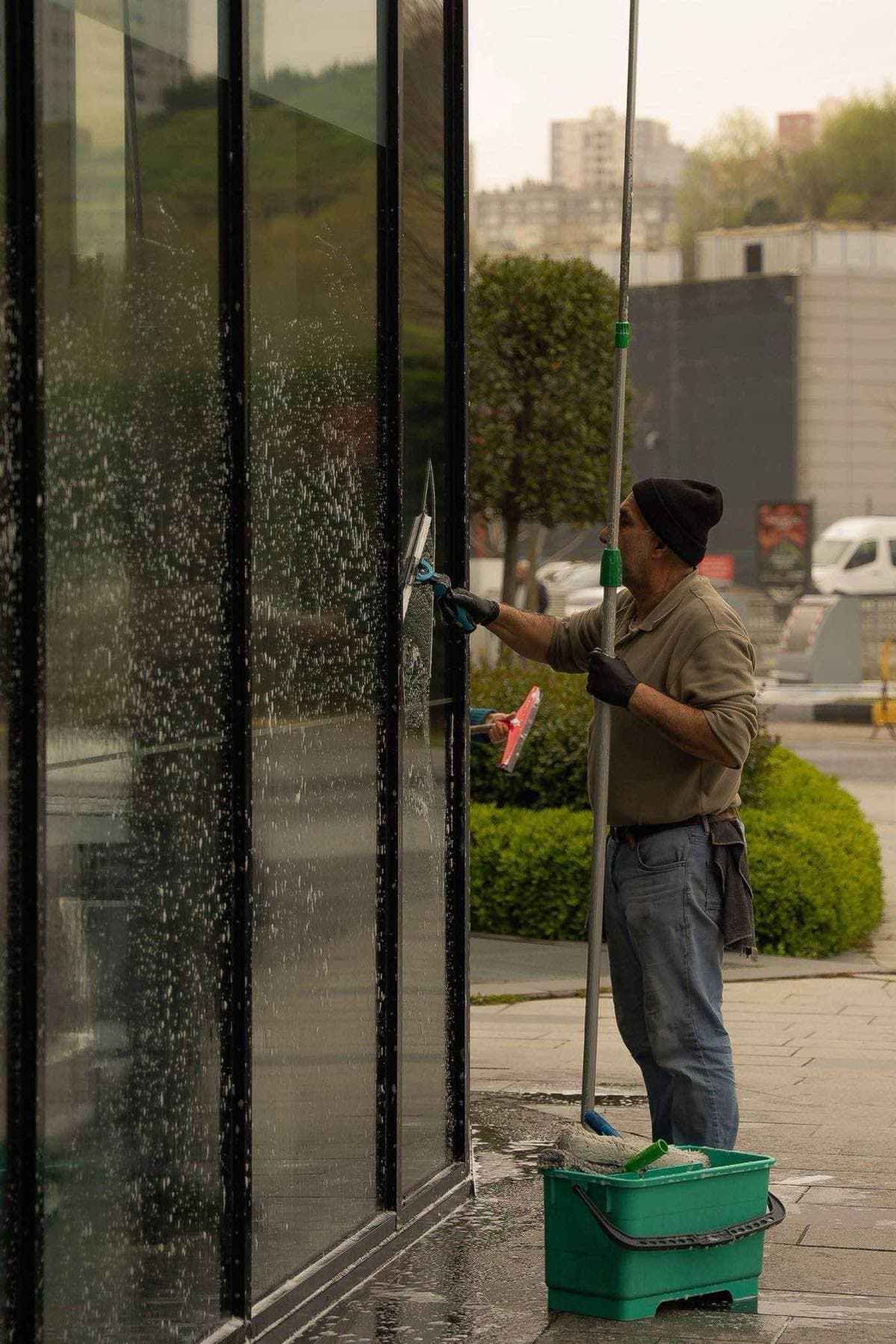
- High-access window cleaning
- Electrostatic disinfection
- Post-construction cleanup
Facility maintenance
Light repairs and finish work that close the gap between janitorial and a general contractor.
- On-call handyman repairs
- Painting
- Drywall repair
Answers
Frequently asked questions
How much does commercial cleaning cost per square foot?
Across the US commercial cleaning market, recurring janitorial is typically quoted between $0.05 and $0.25 per square foot per visit, and roughly $0.10 to $0.30 per square foot per month for a standard office cleaned three to five times per week. Hourly rates commonly run $25 to $50 per cleaner per hour. The range is wide because price is driven by frequency, square footage, restroom count, floor type, and how much of the work is detail cleaning versus basic trash and vacuum. Larger buildings almost always cost less per square foot than small ones because fixed travel and setup time is spread across more area. These are industry reference ranges, not a Wexley quote. Accurate pricing requires a walkthrough and a written scope.
How often does a commercial facility need cleaning?
Frequency is driven by occupancy and use rather than square footage. Medical and clinical space is generally cleaned daily, with disinfection of high-touch surfaces and exam areas after each business day. Standard office space is typically serviced three to five times per week, with restrooms cleaned daily regardless of the overall schedule. Retail is usually daily, timed before opening or after close. Schools are cleaned daily while in session. Warehouse and industrial space varies most: office areas inside the building follow an office schedule, while large floor areas are scrubbed anywhere from daily to weekly depending on traffic and dust load. Common areas in managed properties are typically serviced daily to three times weekly, often with day porter coverage layered on during business hours.
What is the difference between janitorial service and a day porter?
Janitorial service is scheduled cleaning performed to a task list, usually after hours, on a set frequency. A day porter is staffed coverage during business hours who handles restrooms, spills, lobby presentation, trash, and event turnovers as they happen. The distinction is timing and purpose: janitorial resets the building on a cycle, while a day porter keeps it presentable continuously while it is occupied. They are priced differently as well. Janitorial is typically priced per visit or per square foot, and a day porter is priced as staffed hours. Buildings with heavy daytime traffic, such as class A offices, medical waiting rooms, and shopping centers, frequently use both.
What should a janitorial contract include?
A janitorial contract should include a written scope of work that lists tasks by area and frequency rather than a general description of cleaning, the service schedule and hours of access, and a defined process for adding or removing work. It should specify insurance requirements with limits and required endorsements, name who supplies consumables such as paper and liners, and set out a quality process with inspection frequency and a defined window to correct deficiencies. Term, renewal, and termination notice should be explicit, including whether the agreement auto-renews. For occupied buildings, add background check requirements, key and access control procedures, and a named account contact with escalation. The scope is the part that most disputes turn on, so vague scopes are the most expensive thing to accept.
Related
Where we work and who we serve
Industries we serve
Active markets
Austin, TX
Serving the Greater Austin areaDallas-Fort Worth, TX
Serving the Dallas-Fort Worth MetroplexHouston, TX
Serving the Greater Houston areaSan Antonio, TX
Serving the Greater San Antonio areaSeattle, WA
Serving the Greater Seattle areaTacoma, WA
Serving Tacoma and the South SoundAuburn, WA
Serving Auburn and the Green River ValleySpokane, WA
Serving the Greater Spokane area
One accountable partner for your whole facility, fully insured and vetted.
Tell us about your property and we will send a quote within one business day.